Entry · Ref -1SHDKBD
Planning Your Visit to the Hatta Mountain Region
- Posted
- 2026-11-20
- Last amended
- 2026-11-20
- Account
- @hattamountaindubai
The Hatta mountain area in Dubai offers a rugged change of pace from the city's skyline and shopping malls. Getting the most from a trip there takes a little forethought, not a detailed itinerary. The right approach means you see the landscapes, the heritage village, and the outdoor activities without feeling rushed or missing what matters to you. This article walks through the decisions to make before you go, the order of things to do once you arrive, and a few practical points that first-timers often overlook.
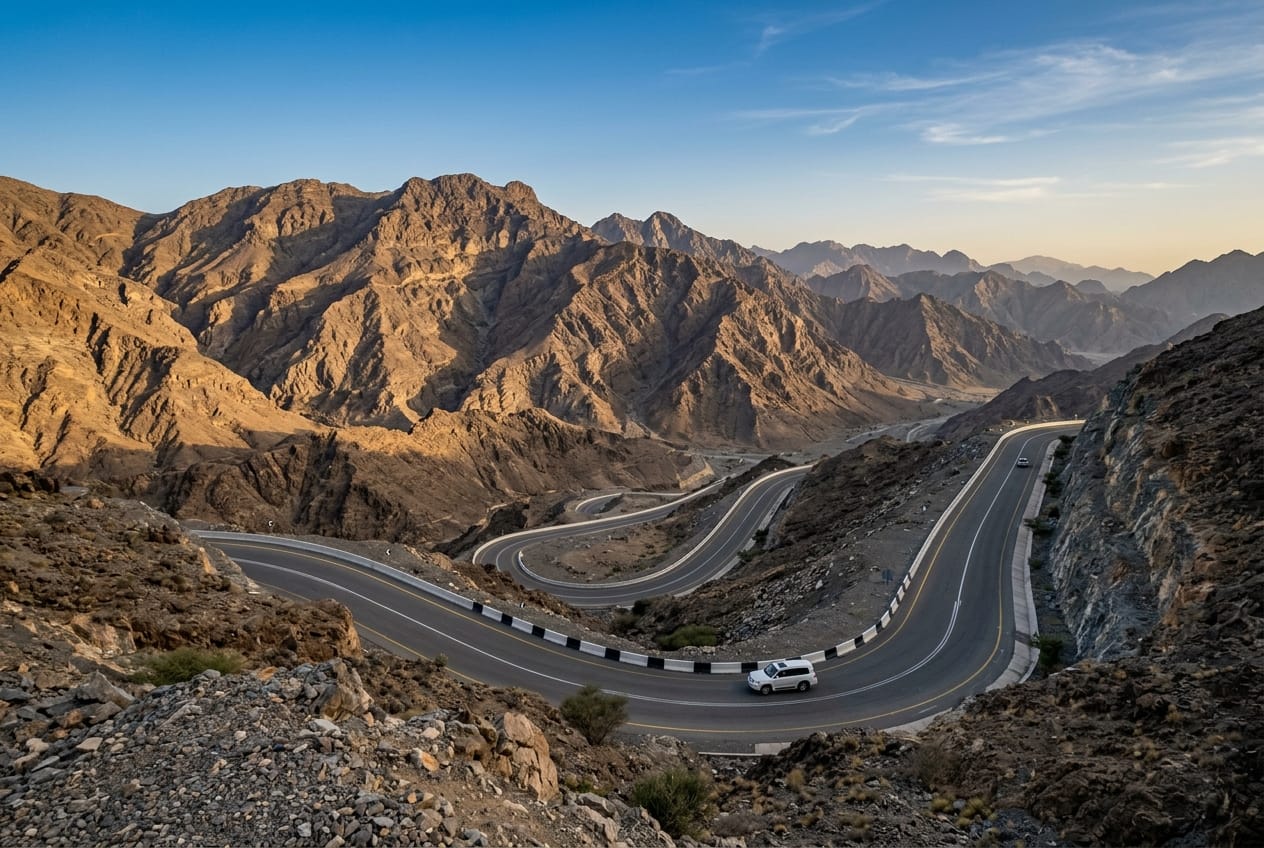
Because the region sits about 130 kilometres east of Dubai's centre, the drive itself is part of the experience. The road passes through desert flats then climbs into the Hajar Mountains, where the scenery shifts to rocky peaks and dry wadi beds. People who go without a plan sometimes end up spending half the day figuring out where to park or which trail to take. A small amount of preparation turns that around so you can focus on the surroundings.
Decide What Kind of Trip You Want
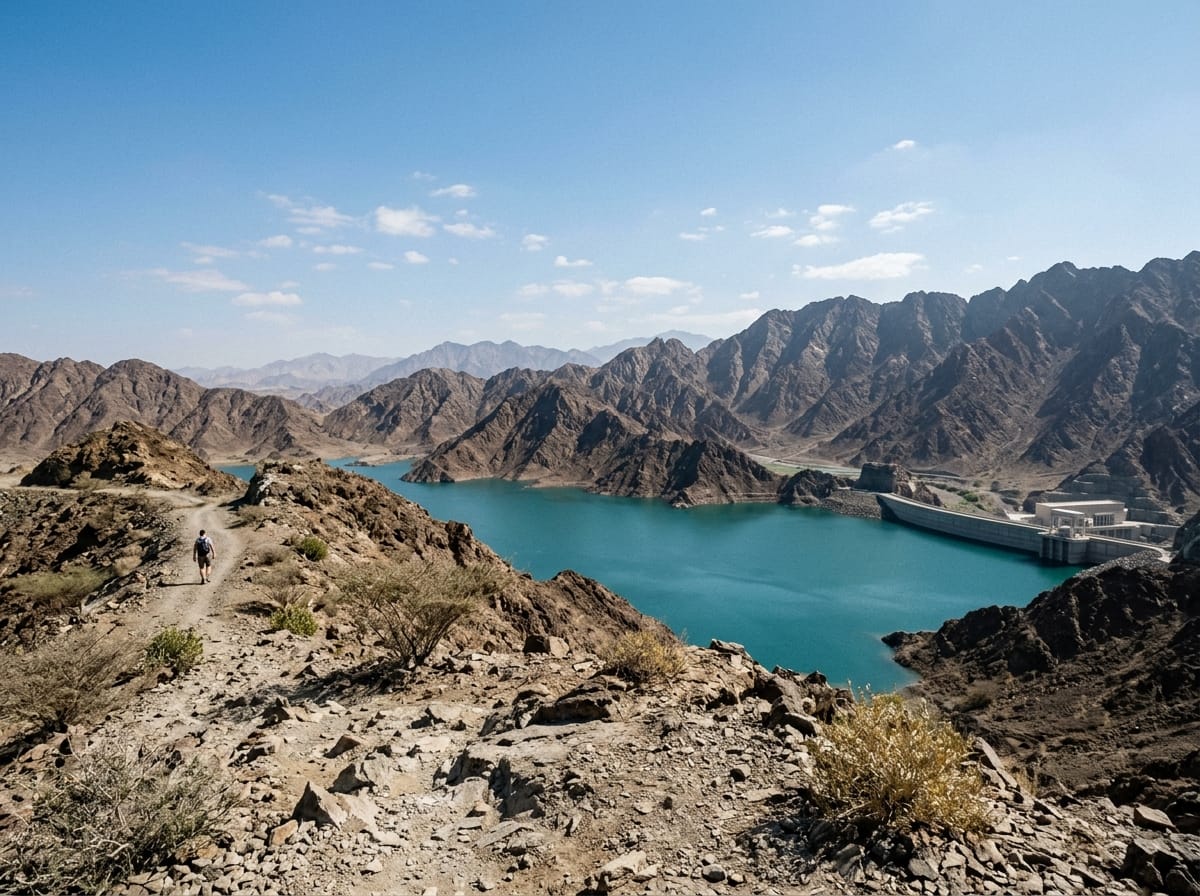
Hatta works for different styles of visit. Some people come for the kayaking on the turquoise water of the Hatta Dam. Others want to hike through the mountain trails or visit the restored Hatta Heritage Village, which shows traditional mountain life with its stone houses, watchtowers, and date-palm irrigation system. A few want a quiet picnic spot away from the city noise. The region also has mountain biking routes, a zipline, and a small market for local crafts.
Before you set out, pick your main interest. If you want to paddle on the dam, morning is best because the water is calm and the light is good for photographs. If hiking is your goal, check the weather forecast first. Summer afternoons can push past 40 degrees Celsius in the shade, so an early start is essential. For a relaxed cultural visit, the heritage village and the nearby Hatta Fort are open during the day and do not require a long time to see. Knowing what you want helps you decide how much time to budget and what to pack.
Plan the Timing and the Route
The drive from Dubai takes roughly an hour and a half by car. The route is straightforward: take the Dubai-Hatta Road (E44) east. The road is well maintained and signposted. There are petrol stations along the way, but once you get closer to Hatta the options thin out, so fill up before you leave the city. The same applies to cash; some small vendors and entry points prefer cash, and ATMs are scarce in the area.
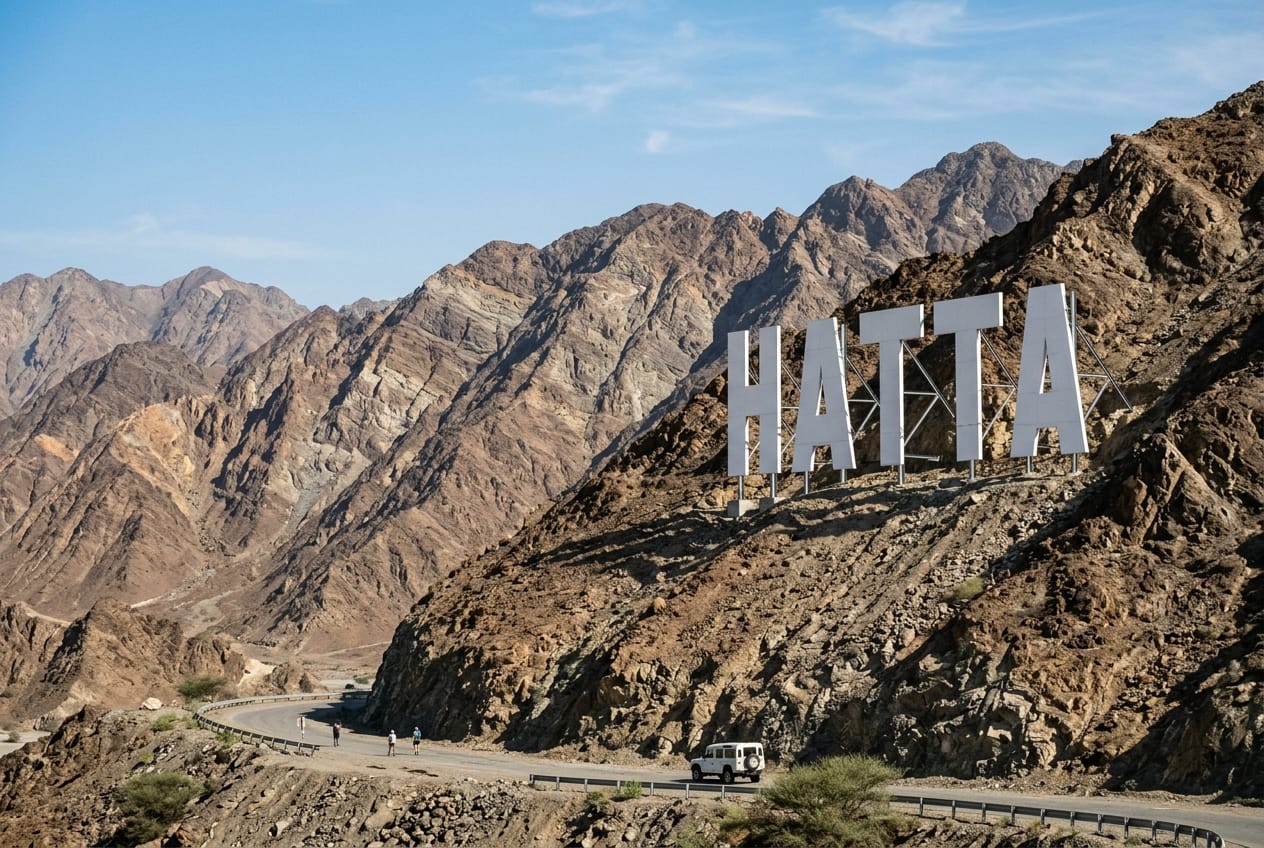
Weekdays are quieter than weekends. Friday and Saturday mornings attract more visitors, especially families and tour groups. If you can go on a Sunday through Thursday, you will find fewer people at the dam and the heritage village. The gates to the Hatta Dam area and the Wadi Hub, which is the main activity centre, open around 8 am and close by sunset. Arriving by 8:30 am gives you a good start before the heat builds.
The return trip can be tiring after a full day outside. Plan to leave the area by mid-afternoon if you want to avoid driving in the dark on the winding mountain roads. If you do stay for sunset, drive carefully; the road has sharp bends and occasional livestock near the edges.
Pack for the Conditions
The mountain environment is different from the coast. Temperatures can be several degrees cooler than in Dubai city, but the sun is still intense. Bring sunscreen, a hat, and sunglasses. Wear sturdy shoes if you plan to walk on uneven ground around the dam or the heritage village. The paths near the water can be slippery, and the stone steps in the old village are uneven.
Water is the most important item. Carry at least two litres per person for a half-day trip and more if you plan to hike. There are cafes and a small restaurant at the Wadi Hub, but they can have queues on busy days. Snacks and a packed lunch give you flexibility, especially if you find a shady spot under the palm trees near the dam. A small first-aid kit, insect repellent, and a power bank for your phone are sensible additions. Mobile reception is generally good in the main areas but can be patchy in the deeper wadis.
Choose Your Activities in Order
Once you arrive, the natural flow starts at the Wadi Hub. This is the main parking and information point. From there you can rent a kayak or a paddleboard for the dam, join a guided mountain bike tour, or buy tickets for the zipline that runs across the valley. Booking in advance through a site like hattamountaintourdubai.com can save time on busy days, because some activities have limited slots. The Hatta Mountain Tour Dubai team often have advice on current conditions and less crowded trails, so it is worth asking at the information desk before you head out.
After the water activities, drive a short distance to the Hatta Heritage Village. The village is a reconstruction of a traditional mountain settlement, with a fort, a mosque, and several houses furnished as they would have been in the mid-20th century. The site is free to enter and takes about 45 minutes to an hour to walk through. The nearby Hatta Dam viewpoint offers a photo opportunity from above, looking down at the turquoise water against the brown rock.
If you have more time, consider a walk along the Hatta Trail, which runs for several kilometres through the wadi. The trail is well marked and suitable for most fitness levels. You do not need a guide, but a map or a downloaded GPS track helps because the terrain can look similar in places. The trail passes old stone terraces and irrigation channels that show how the land was farmed for centuries.
Watch Out for Common Mistakes
Several things catch visitors out. The first is underestimating the heat. Even in winter, the sun at midday is strong enough to cause sunburn and dehydration. Take breaks in the shade and keep drinking water regularly. The second is ignoring the terrain. The rocks around the dam and the trails can be sharp and loose. Good footwear prevents twisted ankles and cuts. The third is forgetting the time. The gates close at sunset, and the area is not lit after dark. If you are still on the trail or the water when the sun goes down, you will need to make your way back in fading light, which is not safe.
Another common oversight is not checking the weather for wind. The dam can get gusty in the afternoon, and kayakers sometimes struggle to paddle back to the launch point. If the wind picks up, head back early rather than fighting it. The activity staff at the Wadi Hub will warn you if conditions are poor, but it is wise to judge for yourself as well.
Finally, respect the environment. The Hatta region is a protected area in parts, and the ecosystem is fragile. Take your rubbish with you, stay on marked paths, and do not disturb the wildlife. There are no bins on the trails, so carry a bag for your waste until you reach the car park.
Make the Most of the Local Culture
The heritage village and the fort are the main cultural draws, but there is more to see if you look. The Hatta Honey Farm sits a short drive away and offers a look at beekeeping in the mountains. The farm sells local honey and beeswax products. It is a small, family-run operation, so call ahead to check opening hours. The Hatta Souq, near the Wadi Hub, sells local crafts, dates, and textiles. It is a good place to pick up a souvenir without the pressure of the city markets.
If you are interested in the history of the area, the Hatta Fort dates back to the 18th century and sits on a hill overlooking the village. The fort has been restored and houses a small museum with displays on traditional weapons, farming tools, and the history of the region. The view from the top of the fort gives a sense of why the location was chosen for defence; you can see the surrounding mountains and the wadi below.
For those who want a deeper experience, a guided tour from a provider such as Hatta Mountain Tour Dubai can explain the geology and the history in more detail. The guides know the best spots for photography and can point out features that are easy to miss on your own. A half-day guided walk covers the main sites and leaves the afternoon free for kayaking or relaxing at the dam. Booking through hattamountaintourdubai.com gives you clear options for different group sizes and interests.
With a little planning, a day in the Hatta mountains becomes a memorable break from the city routine. The key is to match your activities to the time of day, pack for the conditions, and leave enough flexibility to enjoy the unexpected. The mountains have a quiet beauty that rewards the visitor who arrives prepared and leaves with nothing but photographs and good memories.